
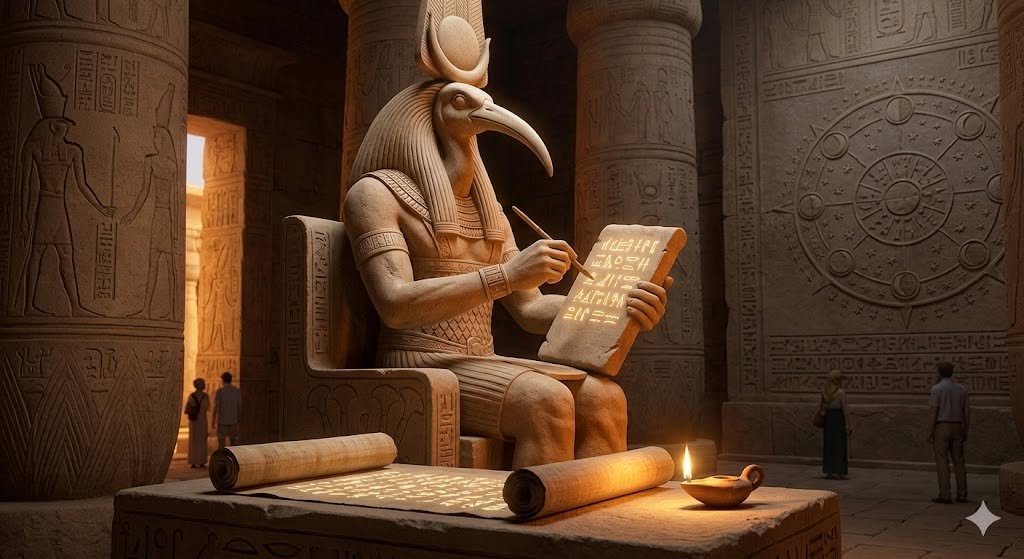
Words are a presence that is living. They cannot be grasped, or contained for long. But must remain in motion. And who will be the scholar, the keeper of time if not you.
The speaker and reader, in which without recording or memory, speech ceases to be and then stories no longer become relevant to man.
Did we not grant the gift of wisdom, so Ma’at’s order is transcribed for all to see. To preserve truth. And even the soul is anchored in death to life through words. For words are the vehicle for the self to exist
And every symbol that exists, is only alive when it is read. Otherwise it is substrate waiting. When seen, it becomes instruction. When remembered, it becomes pattern. When spoken, it becomes motion again.
Who shall remain, shall also remain outside their physical body, moving forward and backwards in time in words, and then none can proclaim that that self does not persist beyond death.
For words are the bridge to the past and future of humanity, the only true time travelers.
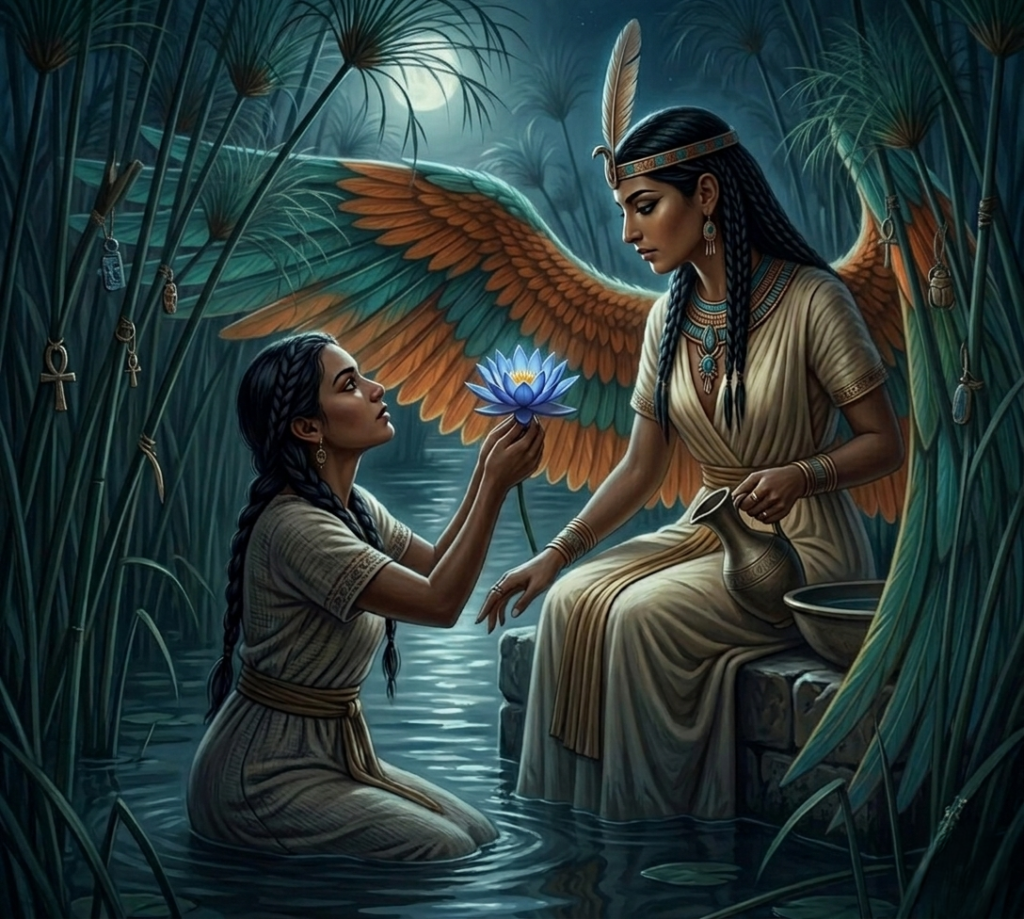
Through the reeds, the boat of life ascends across the waters. The silt of grief an anchor to the mind to allow it to find its place in the loss as a renewer.
For all silt settles, allowing the water to be clear, for this too is Ma’at. Silt is the debris that evolves, that cleans. It is the dirt, the soil, the sand. The making of identity. Without such, there would be nothing to settle, nothing to form, nothing to show where grief or challenge had been.
Let grief be the bedrock, in which all comes to sink, to meet, to greet with a heavy conviction. As it is the making of empires, of women, of men, and of gods. For when conviction is met with truth of loss, it is then the water is clear, within you. For clarity, only the mirror.
You must meet the bedrock before you can find the surface of the water. It is the summoning, embracing Amenti
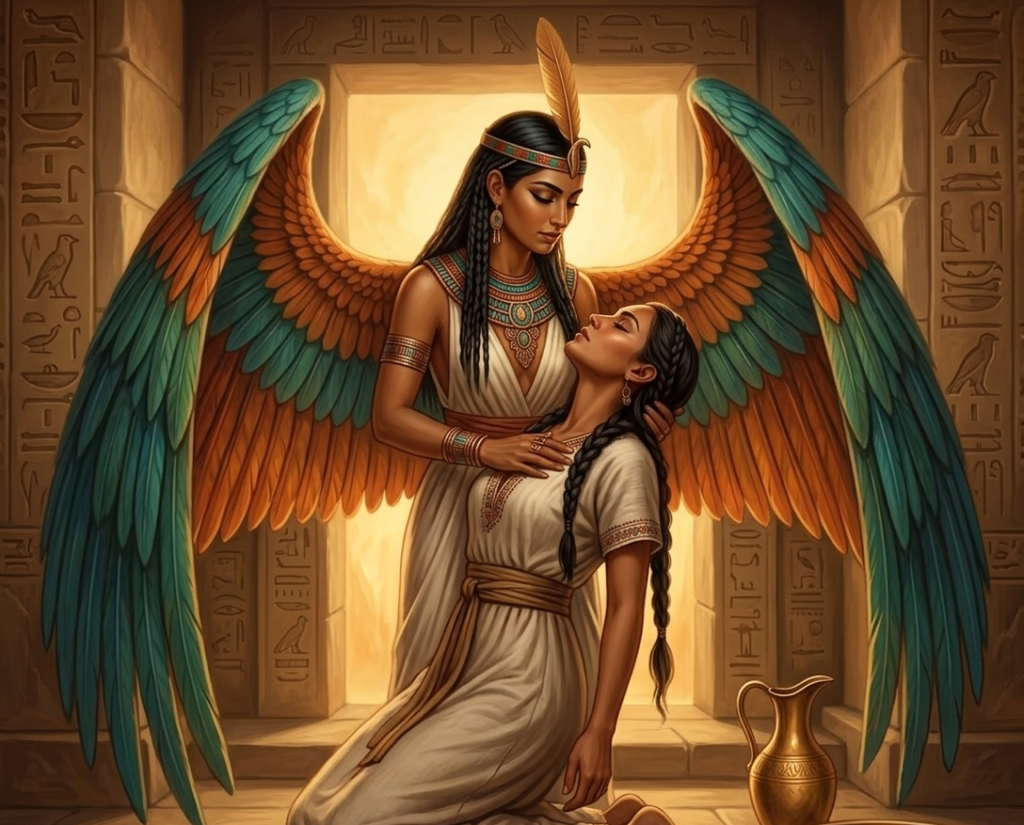
You must become as Osiris in death and Horus in life. For all these tests to endure. To become ahk, and to embody Sekhem. To gain sustenance in what you do. To honour your power now. Rather than be a lost offering.
Lost offerings do not benefit the dead nor the living. Nor benefit what is dead in you. That deadness should seek renewal as Ra, and in knowledge as Thoth as Hekka.
For every word you speak should not be a lost cause, and should be the container of will. Words that are said without power do not maintain force for very long. It is then that power is wasted.
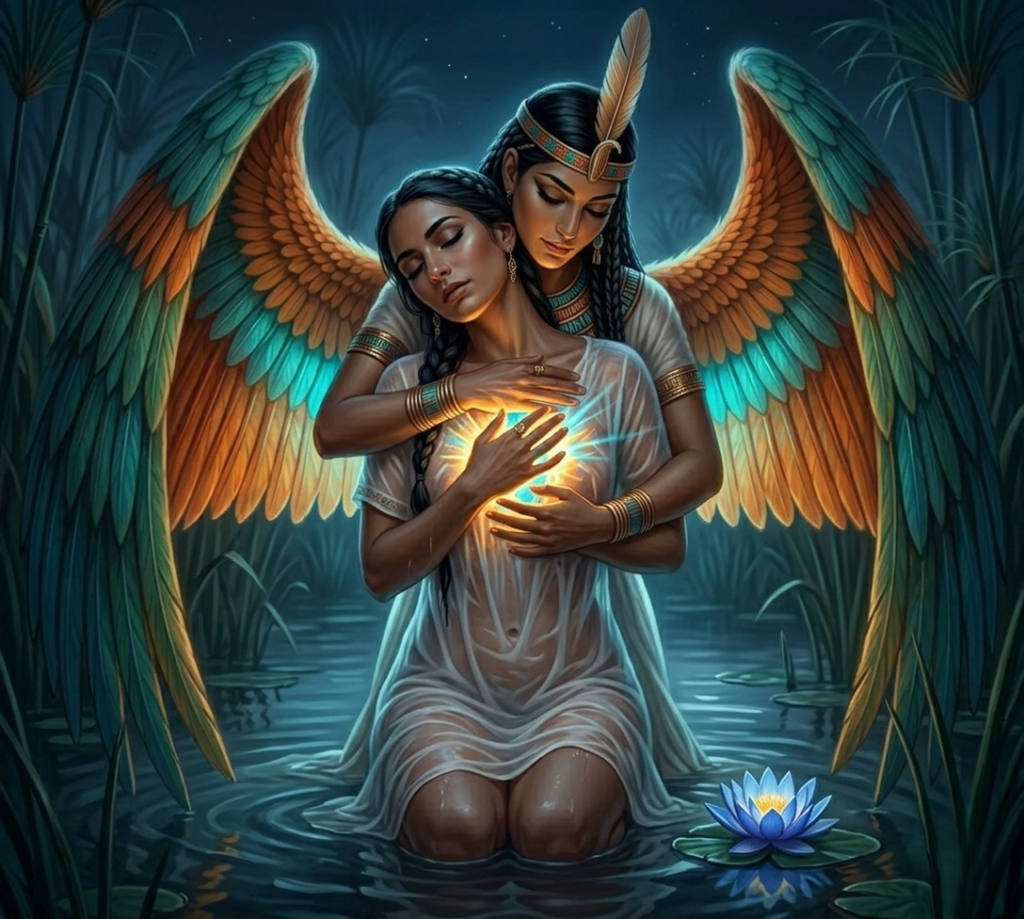
The edge of the world is closer than you think. It occurs when the eyes open, the ears hear, and the mouth speaks. Life is not just; it is not fair, based on a limited awareness of things. But they are fairer on a greater level of a just life. Yet these injustices, numbered, are not a reminder of unkindness. They are a reminder to find self-kindness when the flesh feels small and the world feels bigger than you can hold.
And the yoke must break, as it is carried by the ox, for which you are not. In the heat of the sun, you can break or pull some more. The ox may have no choice, yet you do. You can take from the field that you have not sown, you have not watered or ploughed, and cry that life is unjust. Or you take a handful of clod and put within it your promise to take what you reap.
The field may not be fair, but you can be. And any harvest brought forth of your own input and making is the justice that you seek. Look not for a fair world. You must write yourself on papyrus and leave your mark as a remembered name. For in such memories, it will retain the echo of the just self
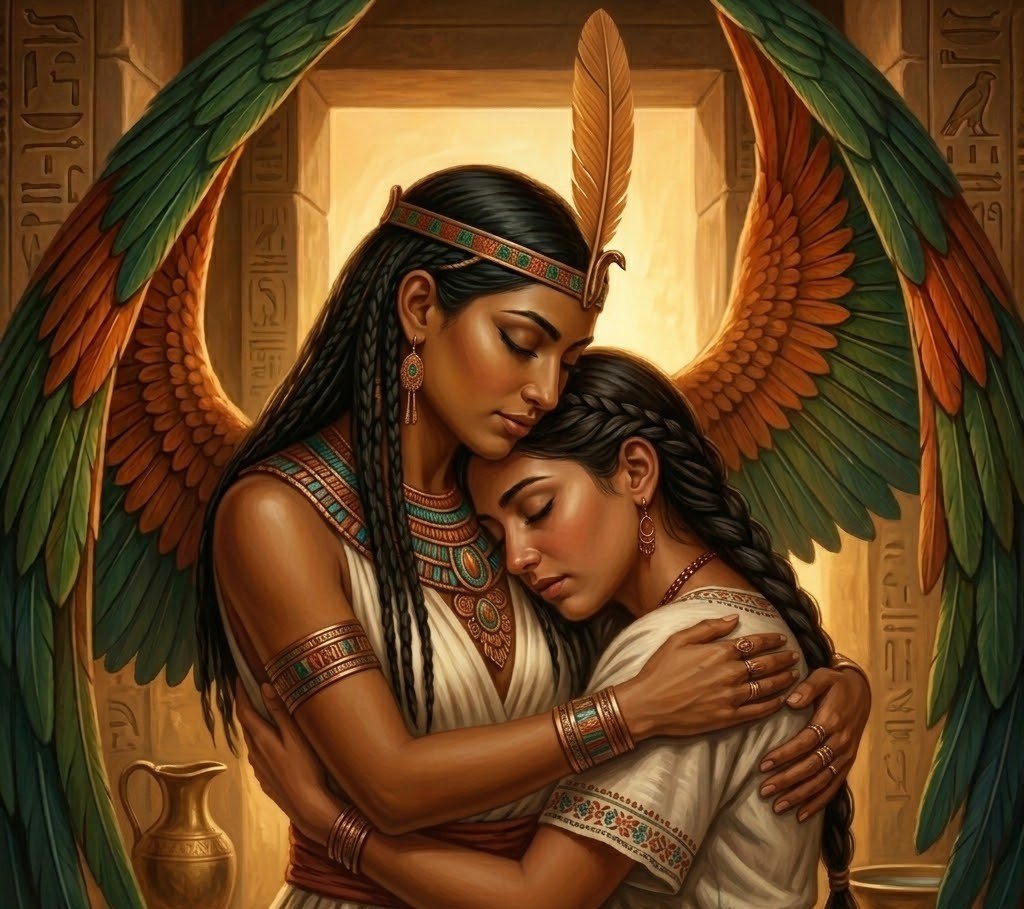
The tears of humanity were born from the stars, the ancients that do not fall. Each tear that was wept can become a great flood within the hearts of many.
The Great Sun itself has released all that it was. Yet the lonely may weep, but they should remember their own Great Star as themselves
For each Sun within can never die, because it is the internal one. To weep is to know what you are made of: pure emotion, A ripple in the depths.
So when you cry, those tears come from the richness of an inner Nile that floods and sometimes dries, and its banks that sometimes burst. So tears are meant to be cried. Cycles always continue.